

- AcuWell LLC300 East Ogden Ave
Naperville, IL 60563(630) 283-8817 

Health WellNews
Mental Wellness Strategies for Shorter Days and Cooler Weather
For many people, autumn is a favorite season. Yet even those who love fall often notice subtle changes in mood, energy, and motivation as the days grow shorter. Perhaps you’ve experienced it yourself. You wake up feeling slightly more tired. Afternoon energy dips become more noticeable. Motivation for exercise decreases. Social plans suddenly sound less appealing. These experiences are common and often reflect the body’s response to changing environmental conditions.
Understanding the Fall Slump
Reduced daylight exposure affects the body’s internal clock and influences the production of serotonin and melatonin, two important chemicals involved in mood and sleep regulation. Shorter days can contribute to feelings of fatigue and reduced motivation.
For some individuals, these changes become significant enough to develop seasonal affective disorder (SAD), a form of depression associated with seasonal changes. Fortunately, many evidence-based strategies can help support mental wellness during the autumn months.
Morning Light Exposure
One of the most effective approaches involves increasing exposure to natural light early in the day. Researchers have shown that light plays a critical role in regulating circadian rhythms and supporting healthy sleep-wake cycles. Experts often recommend:
- Spending 10–20 minutes outdoors shortly after waking.
- Opening curtains immediately in the morning.
- Taking morning walks whenever possible.
These simple actions help reinforce healthy biological rhythms.
Nature-Based Wellness
The wellness industry has increasingly embraced nature-based interventions. Activities such as hiking, forest walks, outdoor medication and gardening have been associated with reduced stress and improved mood.
Autumn’s cooler temperatures make outdoor activity more enjoyable for many people. Even brief periods in nature can provide psychological benefits.
Community and Connection
One overlooked aspect of fall wellness is social connection. As temperatures drop, people often become more isolated. Yet social support remains one of the strongest protective factors for emotional well-being.
Consider:
- Joining a walking group.
- Attending community events.
- Scheduling regular family dinners.
- Participating in volunteer opportunities.
Connection helps counteract feelings of loneliness that sometimes accompany seasonal transitions.
Restorative Movement
Not every workout needs to be intense. Many wellness professionals now advocate restorative movement during seasonal transitions, including yoga, tai chi, stretching and gentle walks. These activities promote both physical and mental wellness while supporting recovery and stress reduction.
The Sleep-Mood Connection
Mental wellness and sleep are deeply connected. Research demonstrates that sleep supports emotional regulation, cognitive function, and immune health. Poor sleep can worsen mood disturbances and increase vulnerability to stress. Creating a fall sleep routine can include:
- Going to bed at consistent times.
- Limiting caffeine late in the day.
- Avoiding screens before bedtime.
- Keeping bedrooms cool and dark.
Creating Your Personal Fall Wellness Plan
Ask yourself:
- Am I getting enough daylight exposure?
- Am I maintaining regular movement?
- Is my sleep schedule consistent?
- Am I staying socially connected?
- Am I making time for activities that bring joy?
Small improvements in these areas can create meaningful changes in overall well-being.
Embracing the Season
Fall does not have to be a season of fatigue and diminished motivation. By understanding how seasonal changes influence the body and mind, we can respond intentionally rather than reactively. The goal isn’t to avoid every challenge that autumn brings. Instead, it’s to build habits that help us thrive throughout the season.
As the leaves begin to change and the days grow shorter, what small wellness practice could help you feel more energized, connected, and resilient this fall?
Why Fall Is the Perfect Season to Rebuild Healthy Habits
January traditionally receives all the attention when it comes to wellness transformations. Yet many health experts argue that fall may be the best season for creating sustainable lifestyle change.
Summer often brings vacations, irregular schedules, and social events. By contrast, autumn naturally encourages structure. School schedules resume, routines become more predictable, and many people feel motivated to get organized before the holidays.
Rather than viewing fall as the beginning of a busy season, what if we viewed it as the perfect opportunity for a wellness reset?
The Science Behind Seasonal Transitions
Human physiology responds to seasonal changes. As daylight hours decrease, the body begins adjusting hormone production, including melatonin, which influences sleep and energy levels. Shorter days can affect mood, focus, and motivation. Instead of fighting these changes, many wellness experts encourage people to work with them.
Circadian Wellness
One of the fastest-growing wellness trends focuses on aligning daily habits with natural biological rhythms. Researchers have found that circadian rhythms influence metabolism, immune function, sleep quality, and cognitive performance. Disruption of these rhythms has been linked to numerous health challenges.
Simple ways to support circadian health include:
- Morning sunlight exposure.
- Consistent sleep schedules.
- Regular meal timing.
- Reduced nighttime light exposure.
These habits become especially important during autumn as natural daylight becomes more limited.
Digital Boundaries
Many individuals use fall as an opportunity to reduce digital overload. The average adult spends hours each day interacting with screens. Constant notifications and digital stimulation contribute to stress, fragmented attention, and disrupted sleep.
A growing number of wellness programs now recommend the following to help set up some digital boundaries including phone-free mornings, screen-free meals, digital sunsets before bedtime, and scheduled social media breaks. These small changes can significantly improve focus and mental well-being.
Mindful Productivity
Autumn often brings increased work demands and family obligations. As a result, productivity wellness has become increasingly popular. Rather than maximizing output, mindful productivity focuses on sustainable performance through strategic breaks, deep work periods, movement throughout the day, and energy management. Research consistently shows that recovery is essential for long-term performance.
Seasonal Nutrition
Fall foods naturally align with the body’s changing needs. Warm soups, roasted vegetables, hearty grains, and root vegetables provide nourishment and comfort while delivering essential nutrients. Seasonal produce like squash, apples, and sweet potatoes offer fiber, vitamins, and antioxidants that support overall health.
Many wellness practitioners now encourage “seasonal eating” as a way to improve dietary variety and reconnect with natural food cycles.
A Story of Sustainable Change
Don’t wait until January to pursue health goals. If you find yourself setting ambitious resolutions in January, only to abandon them by February, maybe set a different goal this fall. Begin with just three daily habits:
- A daily morning walk.
- Earlier bedtime.
- Meal planning every Sunday.
Just establishing these simple changes gradually can help you expand into a healthier lifestyle that lasts throughout the year. Sustainable wellness often begins with small actions rather than dramatic transformations.
Building Your Fall Reset
Consider choosing one habit from each category:
Movement
- Daily walk
- Weekend hike
- Yoga practice
Nutrition
- Seasonal vegetables
- More home cooking
- Increased hydration
Sleep
- Consistent bedtime
- Morning sunlight
- Reduced screen use
Mental Wellness
- Journaling
- Meditation
- Gratitude practice
Looking Ahead
Fall offers a unique opportunity to slow down, reassess priorities, and create healthier routines before the holiday season begins. Instead of waiting for January, why not make autumn your season of transformation? What one healthy habit would you like to strengthen before the end of the year?
Strengthening Your Health as the Seasons Change
There is something magical about autumn. The air becomes crisp, leaves transform into vibrant shades of gold and crimson, and many people welcome the return of cozy sweaters, warm beverages, and comforting routines. Yet beneath the beauty of the season lies an important reality: fall marks a significant transition for the human body.
As daylight decreases, temperatures cool, and more people begin spending time indoors, the risk of seasonal illness rises. It is no coincidence that cold and flu season begins in earnest during the autumn months. The good news is that fall also presents an ideal opportunity to strengthen overall wellness and build resilience before winter arrives.
Why Fall Challenges the Immune System
Researchers have discovered that seasonal changes influence many aspects of human health, including immune function, sleep patterns, and physical activity levels. Shorter daylight hours affect circadian rhythms, which regulate everything from hormone production to immune responses. Studies have shown that both sleep and circadian rhythms play critical roles in maintaining healthy immune function.
At the same time, people tend to spend more time indoors during cooler weather, increasing exposure to viruses and other pathogens. Reduced physical activity is also common during the fall and winter months, which can negatively impact overall health.
Trend #1: Immune-Supportive Nutrition
One of the strongest fall wellness trends is a renewed focus on seasonal nutrition. Autumn brings an abundance of nutrient-dense foods including pumpkins, sweet potatoes, apples, pears, squash, and dark leafy greens. These foods provide vitamins A and C, antioxidants, fiber, and phytonutrients that support immune health.
Many nutrition experts are also emphasizing gut health as a foundation for immunity. Fermented foods, prebiotic-rich vegetables, and fiber-rich seasonal produce help nourish beneficial gut bacteria, which influence immune regulation.
Trend #2: Prioritizing Sleep as Medicine
For years, sleep was viewed primarily as rest. Today, wellness professionals increasingly recognize it as one of the body’s most powerful recovery tools.
Research demonstrates that sleep directly impacts immune function. During sleep, the body produces signaling proteins called cytokines that help regulate inflammation and immune responses. Sleep deprivation has been associated with impaired immune function and reduced vaccine effectiveness.
As fall arrives, experts recommend:
- Maintaining a consistent bedtime.
- Reducing evening screen exposure.
- Getting morning sunlight exposure.
- Creating a cool, dark sleep environment.
These practices help align circadian rhythms and support both sleep quality and immune resilience.
Trend #3: Outdoor Movement
Many people associate exercise with summer activities, but fall may be one of the best seasons for outdoor movement. Moderate exercise has been shown to support immune health while also improving mood and sleep quality. Hiking, walking, cycling, and outdoor yoga are particularly popular during autumn because cooler temperatures make activity more comfortable.
Trend #4: Seasonal Prevention
Another growing trend involves proactive health measures before illness strikes. Preventive wellness strategies include annual vaccinations, hand hygiene, stress management, proper hydration and nutritional supplementation when appropriate. Public health experts consistently recommend these foundational practices as part of seasonal health preparation.
The Bigger Picture
Fall wellness isn’t about avoiding every cold or achieving perfect health. Instead, it’s about creating habits that help the body adapt to seasonal changes. The most effective fall wellness plans are often surprisingly simple:
- Sleep well
- Eat seasonal foods
- Stay active
- Manage stress
- Support immunity proactively
As autumn unfolds, perhaps the season offers more than colorful leaves and pumpkin spice. Maybe it provides an opportunity to reset, recharge, and prepare for a healthier future. What fall wellness habit could have the biggest impact on your health this year?
How Small Daily Habits Are Replacing Extreme Health Trends
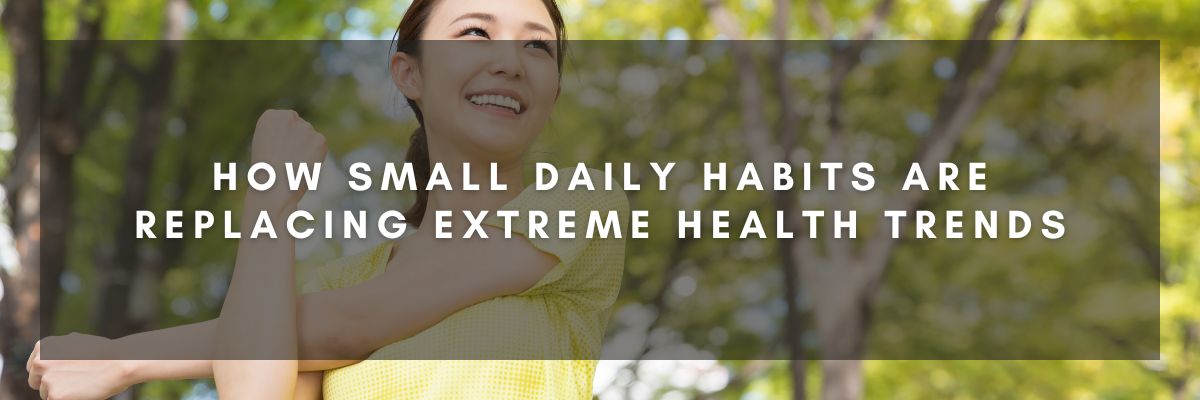
Summer has always inspired reinvention. People commit to fitness programs, overhaul their diets, and chase ambitious “summer body” goals with enthusiasm that often fades by August, if not before. But in 2026, one of the biggest summer wellness trends is moving in the opposite direction. Instead of dramatic transformations, people are embracing what experts are calling “micro wellness;” small, sustainable daily habits that improve physical and mental well-being without burnout.
This shift reflects a growing fatigue with all-or-nothing wellness culture. Consumers are increasingly prioritizing routines they can realistically maintain while balancing work, family, travel, and social commitments. The result is a more approachable version of wellness that feels less performative and more practical.
Why Extreme Wellness Is Losing Appeal
For years, wellness culture rewarded intensity. Long workouts, restrictive diets, elaborate supplement routines, and rigid self-care regimens dominated social media feeds. But many people discovered that overly complicated routines often created stress instead of relieving it. Today people want flexibility and balance.
That’s especially true during summer, when schedules become more spontaneous. Vacations, weekend outings, and longer daylight hours naturally disrupt rigid routines. Instead of fighting that reality, people are choosing wellness practices that fit seamlessly into everyday life.
This has fueled the rise of:
- 10-minute workouts instead of hour-long gym sessions
- Short mindfulness breaks throughout the day
- Portable wellness tools for travel
- Simple hydration habits
- Outdoor movement instead of structured exercise
- Sleep-focused recovery routines
According to wellness trend forecasts for 2026, “snack-sized workouts” and simplified self-care routines are becoming increasingly popular because they feel sustainable and accessible.
The Shift Toward Outdoor Wellness
Summer naturally encourages people to spend more time outdoors. Outdoor movement is becoming less about performance and more about emotional regulation, stress relief, and reconnecting with nature.
Activities like walking, hiking, paddleboarding, beach yoga, and outdoor strength circuits are replacing traditional indoor workouts for many.
This trend aligns with a broader movement toward wellness-centered outdoor living. Designers and wellness experts note that people increasingly view outdoor spaces as extensions of their mental and physical wellness routines.
Instead of exercising solely to burn calories, many people are exercising to improve mood, reduce anxiety, regulate sleep, increase energy, and recover from digital overload. That subtle shift matters because it changes wellness from punishment into restoration.
Why Recovery Is Becoming the New Status Symbol
Another defining summer wellness trend is the growing emphasis on recovery. For years, hustle culture celebrated exhaustion. Now, sleep quality, stress management, and nervous system regulation are increasingly viewed as markers of true health.
More attention is being paid to sleep optimization, red light therapy, cold plunges, breathwork, mobility training, nervous system regulation, and restorative stretching. Wellness experts predict that sleep and recovery will continue dominating wellness conversations throughout 2026 as consumers recognize the long-term effects of chronic stress and poor rest.
Summer creates the perfect environment for this trend because people often feel more emotionally open to slowing down during warmer months. Longer evenings, vacations, and outdoor socializing encourage routines that feel restorative instead of restrictive.
The Popularity of “Wellness Stacking”
Another reason micro wellness is thriving is because people are combining healthy habits together in ways that feel efficient and enjoyable.
For example:
- Walking while listening to meditation audio.
- Using light therapy during morning journaling.
- Stretching outdoors during sunset.
- Drinking protein smoothies after beach walks.
- Pairing sauna sessions with mindfulness practices.
Consumers increasingly want wellness habits that multitask. This trend is particularly popular among busy professionals who don’t want wellness to consume their entire schedule. The rise of wearable health technology has also reinforced this trend. Many people now track sleep, heart rate variability, recovery scores, and stress levels, creating greater awareness of how small daily habits affect overall well-being.
Hydration Has Become More Sophisticated
Hydration is no longer just about drinking water. Summer 2026 wellness culture is heavily focused on functional hydration, beverages that support energy, recovery, gut health, or cognitive performance. Wellness trend reports note the increasing popularity of nutrient-enhanced drinks, electrolyte blends, protein beverages, and wellness tonics.
People are becoming more educated about electrolyte balance, mineral intake, caffeine timing, sugar content, gut health support, and energy crashes. As a result, hydration has evolved into a more intentional wellness category. This is especially relevant during summer months when heat exposure, travel, alcohol consumption, and outdoor activity increase dehydration risk.
The Social Side of Wellness
Another major shift is the growing desire for community-driven wellness experiences.
People are increasingly seeking things like wellness retreats, group fitness walks, recovery lounges, outdoor yoga events, sauna social clubs, and even wellness-focused travel. Experts predict community wellness experiences will continue growing because consumers are craving connection after years of digital fatigue and social isolation.
Summer naturally supports this movement because people are more likely to gather outdoors and prioritize shared experiences. Interestingly, wellness is becoming less about aesthetics and more about emotional well-being. Instead of pursuing unrealistic perfection, many people are pursuing balance, energy, and resilience.
Why This Trend Matters Long-Term
The rise of micro wellness reflects something deeper than seasonal habits. It signals a broader cultural rejection of unsustainable self-improvement. Consumers are increasingly skeptical of extreme trends that promise quick fixes. Instead, they are prioritizing consistency, evidence-based wellness practices, and routines that genuinely improve quality of life. This shift may ultimately create healthier relationships with wellness overall.
Because the truth is: A 15-minute walk done consistently is often more powerful than a punishing workout performed once a month. A realistic bedtime routine matters more than a complicated biohacking protocol. Daily stress management creates more long-term impact than temporary detoxes. And perhaps that’s why micro wellness resonates so strongly this summer. It feels human. Instead of chasing perfection, people are learning to build wellness into their actual lives. And that may be the healthiest trend of all.
The Health Benefits of Spring Cleaning
A Seasonal Reset for Your Mind, Body, and Home
Every year, as winter fades and longer days return, many people feel an almost instinctive urge to clean, organize, and refresh their living spaces. This phenomenon is commonly known as spring cleaning and it’s more than tradition or habit. It’s deeply connected to psychology, biology, and overall well-being.
Spring cleaning isn’t just about wiping down baseboards or donating unused clothes. It acts as a powerful seasonal reset that improves mental clarity, reduces stress, supports physical health, and even boosts productivity. In many ways, decluttering your home mirrors decluttering your mind.
Let’s explore how cleaning your space can transform your health.
Clearing Space Clears the Mind
Clutter overloads the brain. Your brain constantly processes visual input, and excess objects compete for attention, even subconsciously. When everything demands focus, mental fatigue increases.
Research in environmental psychology consistently shows that disorganized environments elevate cortisol, the body’s primary stress hormone. Spring cleaning helps by:
- Reducing mental overstimulation.
- Improving focus and concentration.
- Increasing emotional calm.
- Promoting better decision-making.
People often describe a freshly cleaned home as feeling “lighter.” That sensation isn’t imaginary; your brain literally experiences less cognitive load.
The Control Effect
Cleaning also restores a sense of control. Winter months often feel restrictive due to weather, routine, and indoor living. Organizing your environment sends a strong psychological signal:
“I have agency over my life again.” This perception improves mood and combats seasonal depression symptoms that linger into early spring.
Physical Health Benefits
While the mental benefits are immediate, the physical health advantages are just as important. During winter, homes accumulate:
- Dust mites
- Pet dander
- Mold spores
- Indoor pollutants
- Fabric fibers
Spring cleaning removes these irritants, dramatically improving indoor air quality especially important as pollen season begins.
Vacuuming carpets, washing curtains, and wiping vents can:
- Reduce respiratory symptoms.
- Improve sleep quality.
- Lower sinus inflammation.
- Help asthma sufferers breathe easier.
Dust and mold trigger chronic low-grade inflammation. When inflammation decreases, immune response improves. That means fewer headaches, less fatigue, and fewer unexplained aches, many of which people incorrectly attribute to aging rather than environmental irritants.
Spring cleaning doubles as functional exercise. Depending on intensity, cleaning can burn 150–300 calories per hour. Unlike traditional workouts, it engages varied muscle groups through natural movement patterns:
- Reaching and stretching (mobility)
- Squatting and lifting (strength)
- Scrubbing (endurance)
- Walking room to room (cardio)
Because it has a purpose, people often perform it longer than structured exercise sessions. The result: improved circulation without the psychological resistance of “working out.”
Sleep Quality Improves
Clean environments influence circadian rhythms. Your brain associates tidy spaces with safety and relaxation, while clutter subconsciously signals unfinished tasks. People who maintain organized bedrooms consistently report falling asleep faster, waking less during the night, feeling more rested in the morning. Even small actions like washing sheets, reorganizing nightstands, and opening windows can improve sleep within days.
Productivity and Motivation Boost
Spring cleaning doesn’t just refresh your home; it resets behavioral momentum. Completing physical tasks releases dopamine, the brain’s reward chemical. This creates a psychological cascade: Clean → Accomplished → Motivated → Productive
Many people unknowingly use spring cleaning as a “behavioral reboot.” After organizing one space, they feel motivated to tackle finances, fitness goals, or creative projects.
Emotional Letting Go
Cleaning often involves deciding what to keep and what to release. This process can become therapeutic. Letting go of unused possessions helps people release emotional weight tied to:
- Past identities
- Old relationships
- Unfinished goals
- Guilt purchases
The act of donating items triggers positive emotional reinforcement, and generosity increases serotonin levels and feelings of purpose.
Seasonal Alignment and Biological Rhythm
Humans evolved to respond to seasonal shifts. Spring naturally signals renewal, activity, and expansion. During winter melatonin rises, activity decreases, and energy conservation dominates.
During spring daylight increases serotonin, dopamine activity rises, and motivation returns.
Spring cleaning aligns behavior with biology, making it easier to build habits compared to other times of year.
How to Maximize the Health Benefits
The first step is to work with natural light. Open windows and clean during daylight hours. Sunlight enhances mood and reduces perceived effort. The second step is to clean in categories.
Instead of room-by-room, try:
- Clothes
- Papers
- Surfaces
- Digital clutter
This prevents decision fatigue.
Next, pair your cleaning with music or podcasts. Rhythm improves endurance and mood. Finally, finish with some fresh air. Ventilate rooms for at least 20 minutes to flush indoor pollutants.
Spring cleaning is far more than a cultural tradition; it is a natural health intervention. By reducing environmental stressors, increasing physical activity, and improving psychological clarity, it supports the whole person.
You aren’t just cleaning your house. You’re resetting your nervous system, refreshing your immune system, and preparing your mind for a new season of growth.